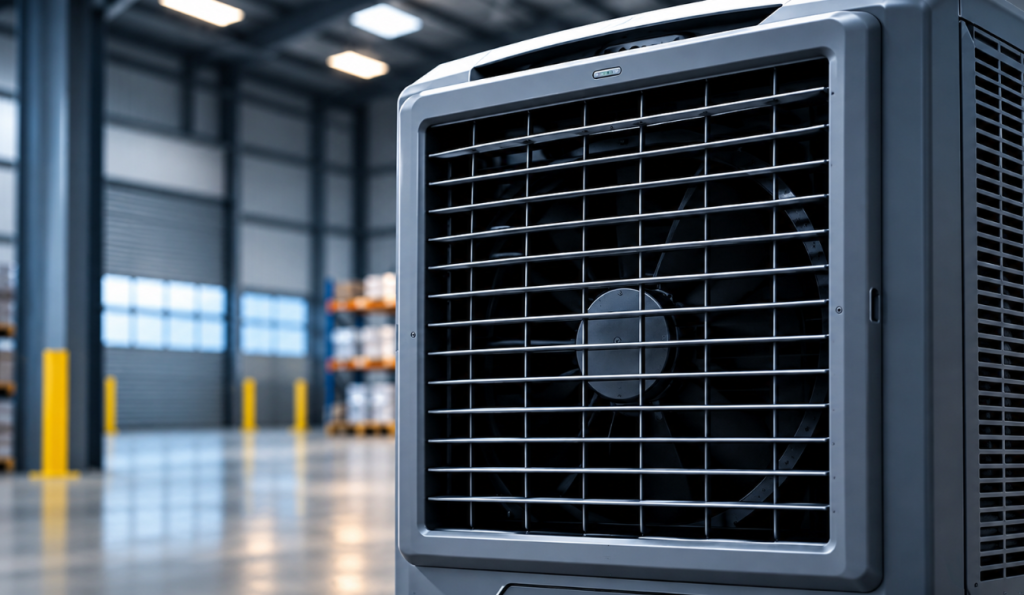
When temperatures drop, cooling equipment naturally becomes less of a priority for many businesses. With the warmer months behind us, it’s easy to switch off equipment and forget about it until it’s needed again. However, winter can actually be one of the most valuable times to review, maintain and prepare cooling systems, helping businesses avoid unnecessary issues when demand increases again.
For businesses relying on evaporative cooling to maintain comfortable working environments, taking a proactive approach to maintenance during the colder months can make a real difference to equipment performance, reliability and operational efficiency when summer returns.
Why Should Cooling Maintenance Be a Year-Round Priority?
Cooling equipment often receives the most attention when temperatures begin to rise, as businesses start thinking about workplace comfort, indoor temperatures and whether their existing cooling solutions are performing as expected. However, waiting until equipment is needed before checking its condition can create unnecessary challenges, particularly if components have deteriorated, cooling pads require attention or water systems need cleaning following periods of inactivity.
By approaching maintenance as a year-round responsibility rather than a seasonal task, businesses can identify potential issues early, reduce the likelihood of unexpected problems and make more informed decisions about their equipment. This proactive approach helps ensure cooling systems are ready to perform when they’re needed most, rather than leaving businesses reacting to issues during periods of high demand.
Could Winter Maintenance Help Reduce Operational Disruption?
For many commercial and industrial facilities, summer is when cooling equipment becomes particularly important. Whether it’s a warehouse, manufacturing facility or workshop, maintaining comfortable working conditions can support employee wellbeing and day-to-day productivity, making reliable cooling an important consideration for businesses.
Discovering an issue with cooling equipment during a period of high demand can be inconvenient, particularly when maintenance work or replacement components are required. Winter provides an opportunity to assess equipment condition and carry out necessary maintenance before cooling becomes a priority again, allowing businesses to schedule work around their operations rather than responding to unexpected problems when temperatures rise.
How Does Preventative Maintenance Support Cooling Performance?
Evaporative cooling systems rely on several components working together effectively, including cooling pads, water distribution systems, pumps and fans. Over time, dirt, mineral deposits and general wear can affect these components, potentially reducing cooling effectiveness or increasing the likelihood of operational issues.
Regular maintenance helps ensure equipment remains in suitable condition for future use and can involve cleaning water systems, inspecting cooling pads, checking pumps and connections, and ensuring equipment is correctly drained or protected during colder conditions, depending on the manufacturer’s recommendations. For portable evaporative cooling units, appropriate cleaning and storage are also important when equipment is not required for extended periods.
Taking care of these areas can help protect equipment condition, support consistent cooling performance and potentially extend its operational lifespan, making preventative maintenance a worthwhile consideration for businesses looking to get the most from their cooling equipment.
Why Is Planning Ahead Better Than Reacting to Rising Temperatures?
One of the biggest advantages of winter maintenance is the opportunity it creates for forward planning. Rather than waiting until the first warm spell to assess cooling requirements, businesses can use the quieter months to consider how effectively their current solutions performed during the previous summer and whether any improvements could be made.
Were certain areas of the building consistently uncomfortable? Did changing production demands create new cooling requirements? Is existing equipment still suitable for the space and how it’s being used? Addressing these questions early allows businesses to plan ahead and make decisions without the pressure of rising temperatures.
For businesses operating in large or changing environments, flexibility is particularly important. Portable evaporative cooling solutions can offer a practical approach to managing comfort in specific areas without requiring permanent cooling installations, making them particularly useful where cooling requirements change throughout the year.
Is Your Business Thinking Far Enough Ahead?
Effective cooling management shouldn’t begin when temperatures rise. For businesses that depend on comfortable working environments, preparation during the colder months can help support a smoother transition into summer while reducing the risk of unexpected maintenance requirements.
Winter maintenance isn’t simply about protecting equipment while it’s not in use; it’s an opportunity to review performance, identify potential improvements and ensure cooling solutions remain appropriate for the demands of the business. Taking a proactive approach now can help businesses enter the warmer months with greater confidence in their equipment and a clearer understanding of their cooling requirements.